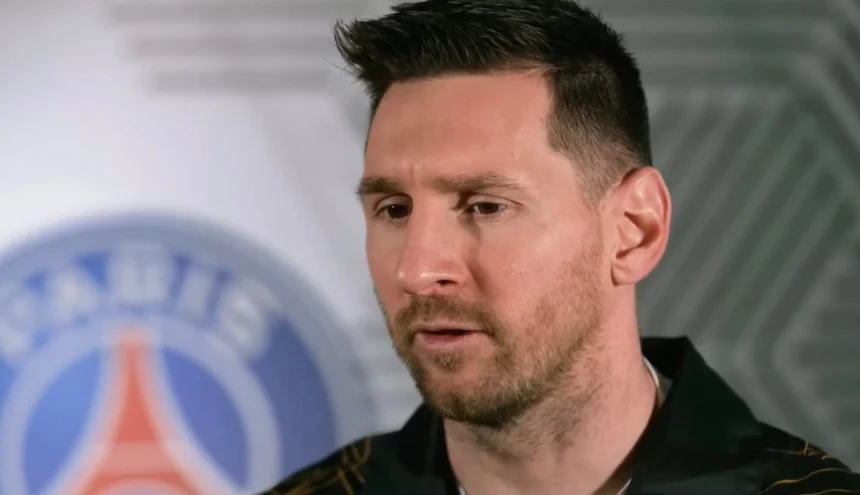
Argentina wanted to pay the ultimate tribute to Lionel Messi by permanently retiring his iconic No. 10 shirt after his international retirement. However, the plan runs into the regulations governing major competitions. The Albiceleste may be able to preserve the shirt symbolically in certain matches, but they cannot guarantee that no player will ever wear the No. 10 again.
Lionel Messi is preparing to definitively close the chapter on his Argentina career. At 39, the Albiceleste legend is set to play his 208th and final international match against Benin on Tuesday at the Monumental in Buenos Aires. Ahead of his farewell appearance, he has 207 caps and 125 goals. His departure has already raised a highly symbolic question in Argentina: what will happen to the No. 10 shirt? Messi wore it throughout most of his extraordinary international career, including during the major triumphs that defined his final years with the national team.
FIFA rules complicate Argentina’s plans for Messi’s No. 10
Argentine Football Association president Claudio Tapia had expressed his desire to retire the number once Messi ended his Albiceleste career, permanently linking the No. 10 with the world champion. The problem, however, is regulatory. For the 2026 World Cup, FIFA states that squad numbers must range from 1 to 26, with No. 1 exclusively reserved for a goalkeeper. There is an important nuance: saying FIFA completely “bans” a national team from retiring a number would be too categorical. World Cup regulations allow squads of between 23 and 26 players, but when a team registers 26 players, leaving one number vacant becomes incompatible with the available numbering system.
Read More
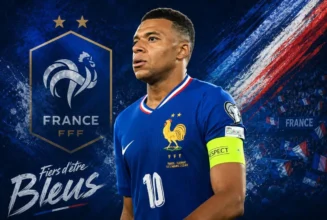
The AFA could therefore choose not to assign the No. 10 in certain matches as a symbolic way of preserving Messi’s legacy, but it cannot currently guarantee that the shirt will be retired forever across every international competition. Argentina already faced the same situation with Diego Maradona. Before the 2002 World Cup, the AFA wanted to leave his No. 10 vacant and give Ariel Ortega another number, but FIFA did not accept the arrangement. Ortega eventually wore the No. 10 during the tournament.
More than two decades later, Messi therefore faces the same obstacle as Maradona. The question now is who will inherit his legendary number. Several players have worn the No. 10 when Messi was absent during his career, but no permanent successor has officially been chosen. From Maradona to Messi, the shirt carries enormous significance in Argentina, and whoever wears it next will inevitably face immense pressure. The AFA may try to protect the number for as long as possible, but in major competitions, numbering rules make a permanent retirement extremely difficult. Argentina dreamed of making the No. 10 eternally Messi’s shirt; instead, it will eventually have to prepare for his successor.